

Description
Product Overview
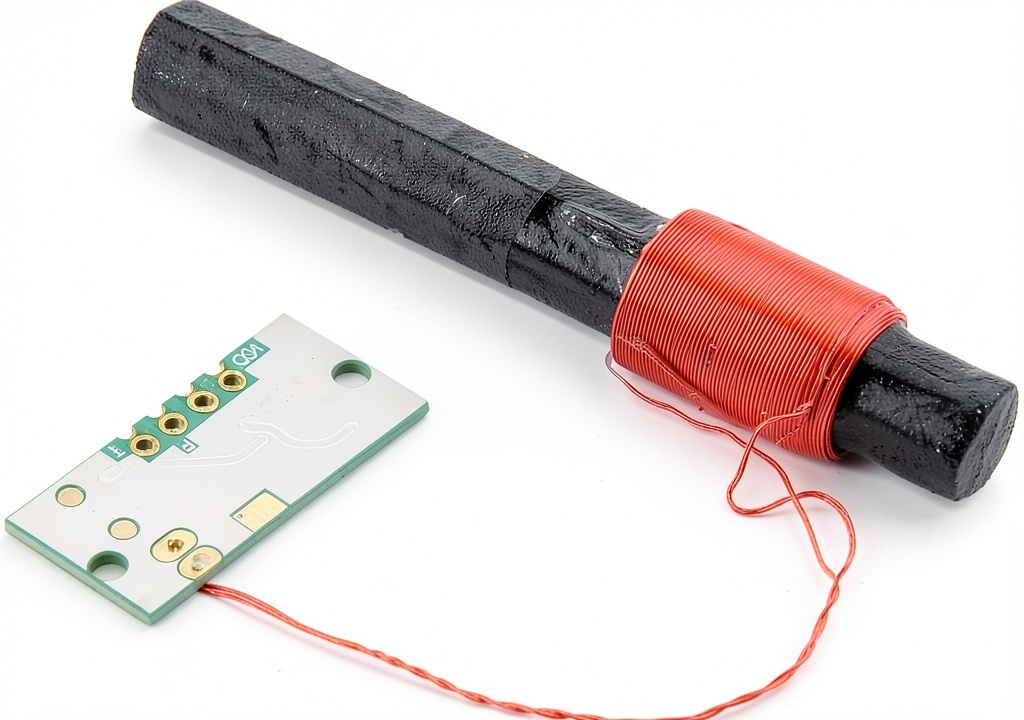
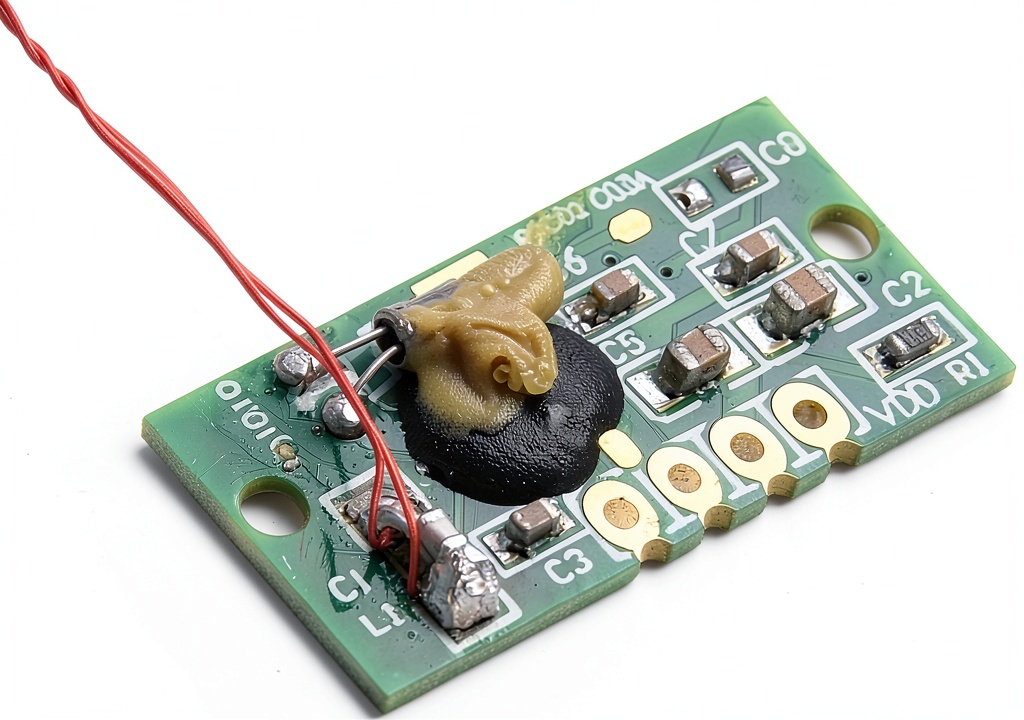
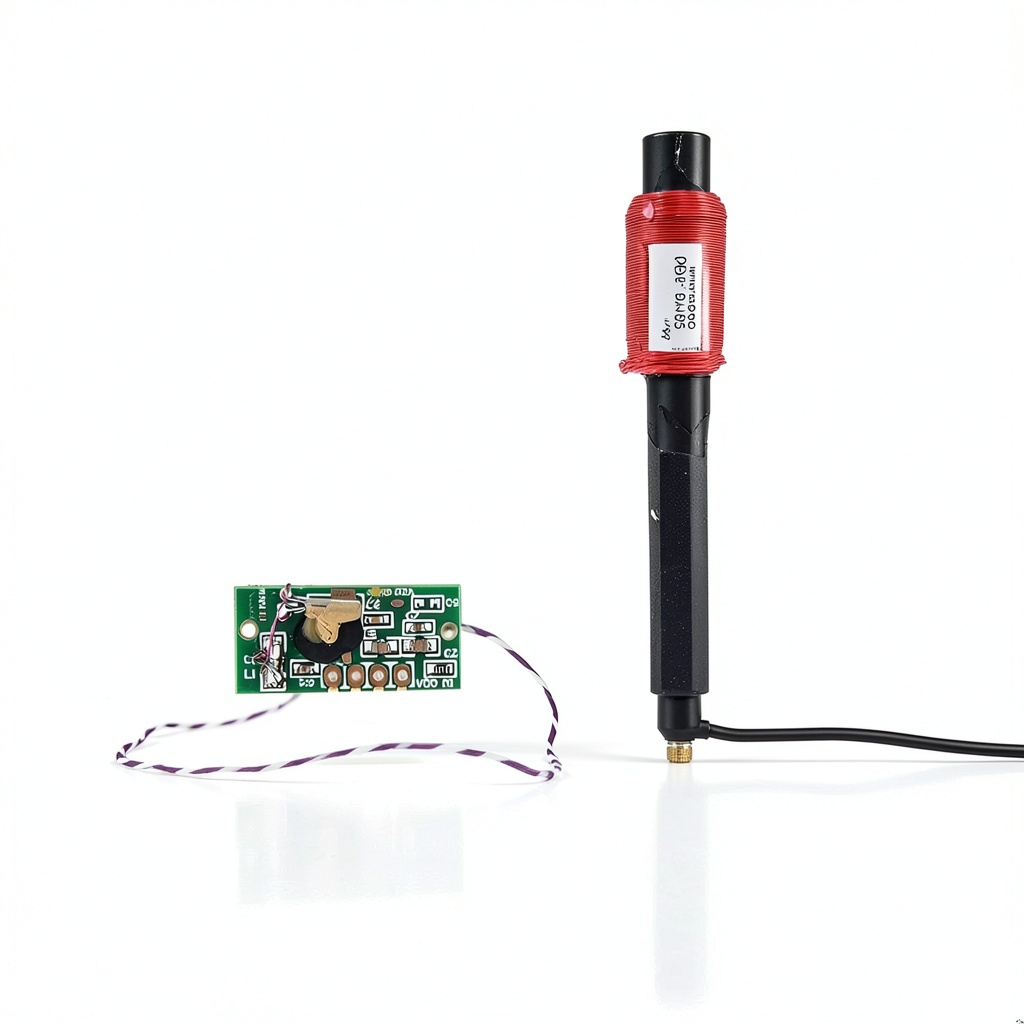
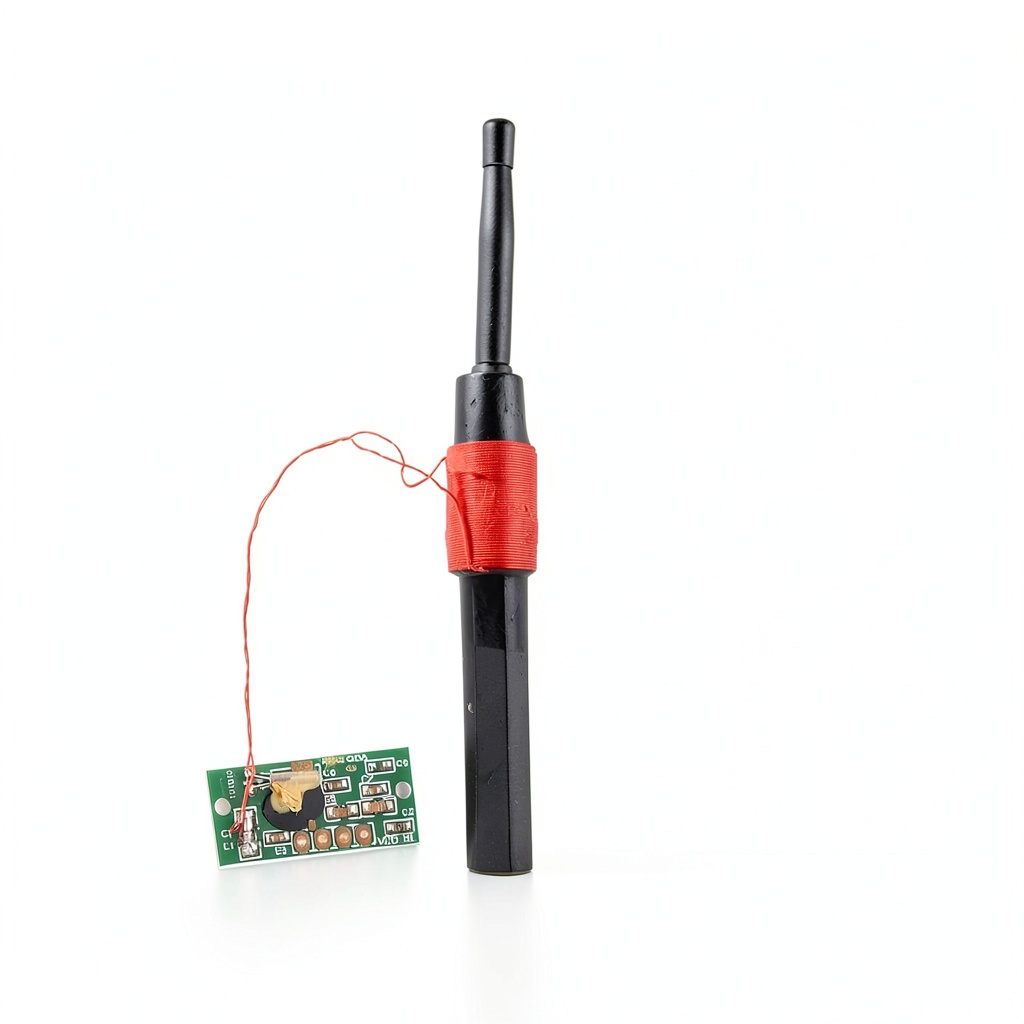
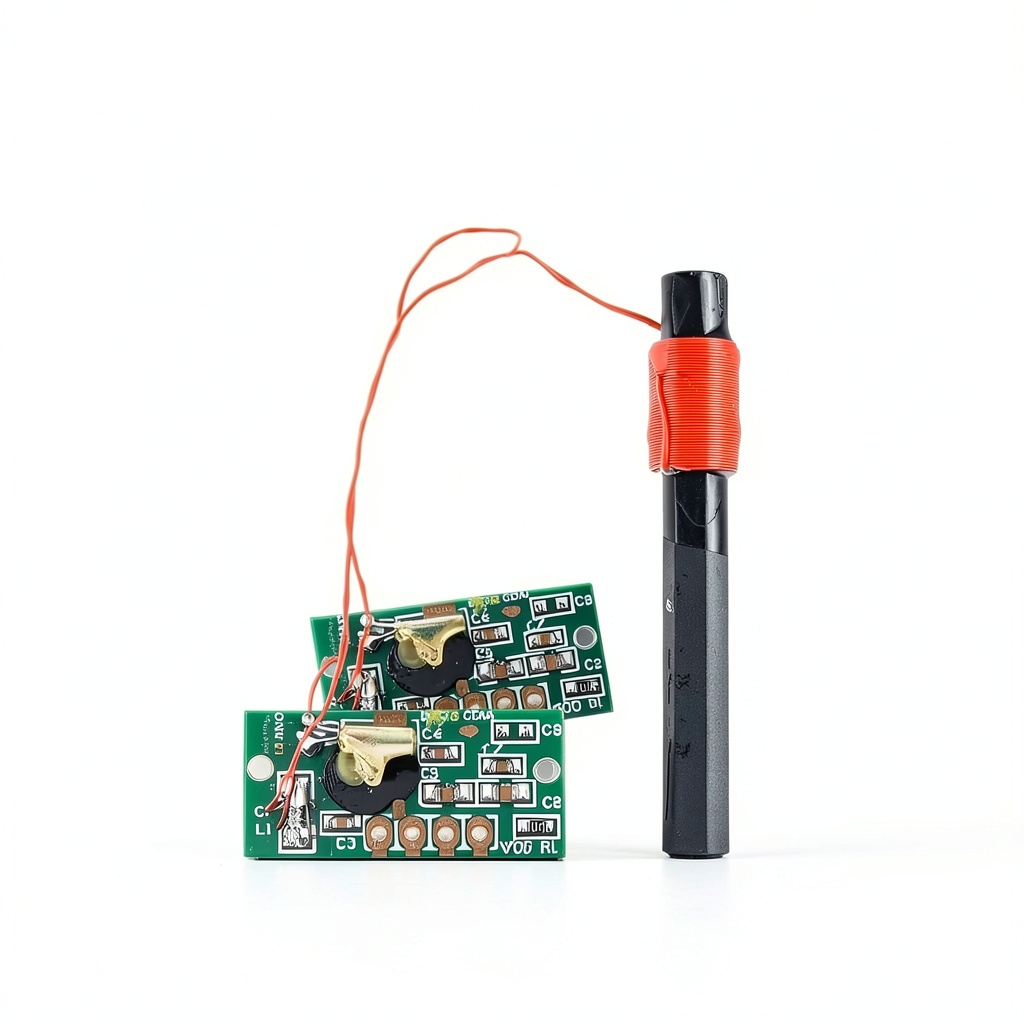
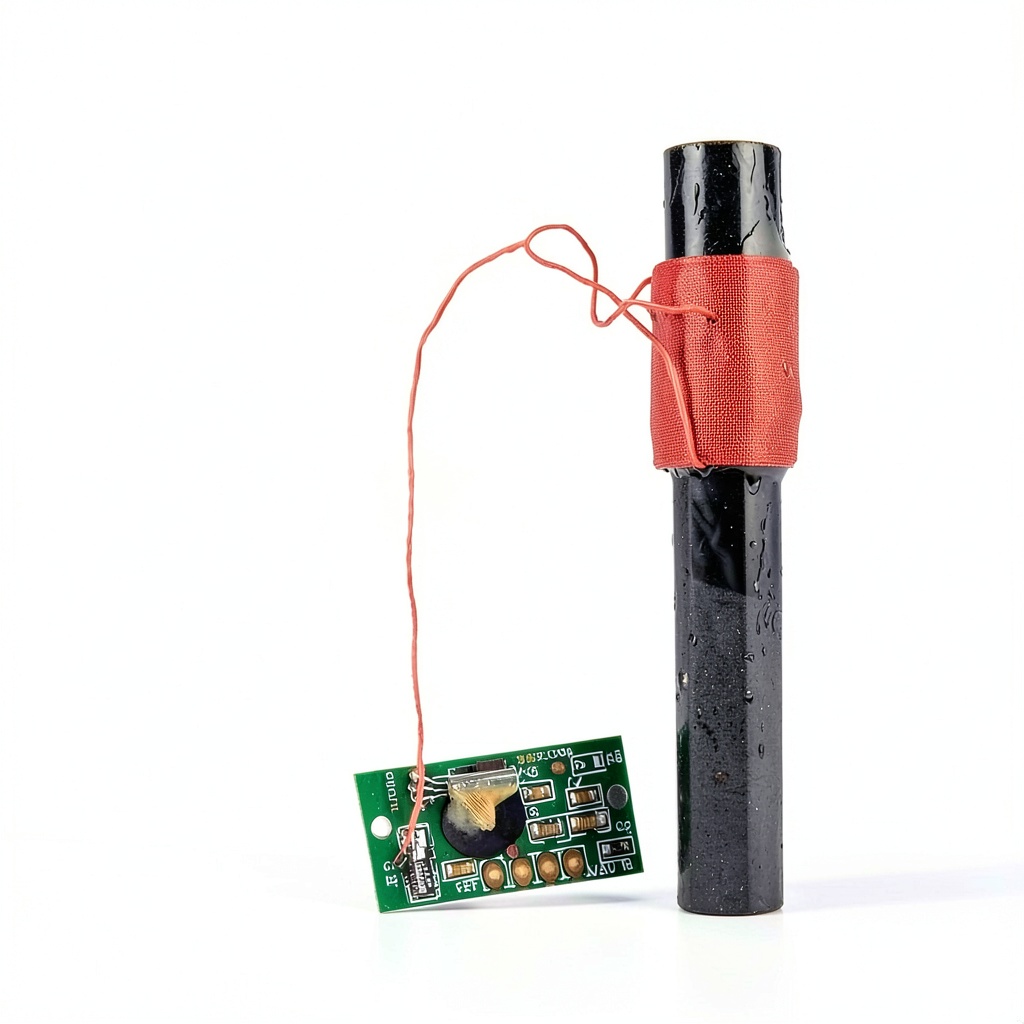
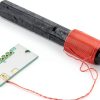
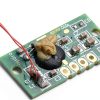
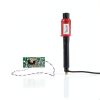
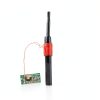
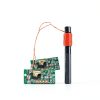
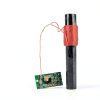
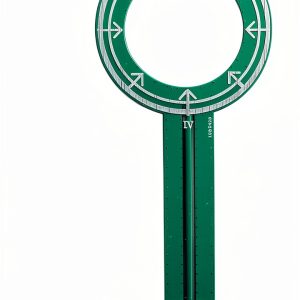
The WWVB 60KHz Receiver Module is engineered to capture the official time signal broadcast by the WWVB transmitter located in Colorado, United States. Designed with a high‑Q tuned DCF antenna, the module offers exceptional signal amplification and demodulation capabilities, allowing it to maintain accurate timekeeping even when the signal is weak or subject to interference. The PCB is fabricated from high‑grade FR4 material, measuring a compact 11.5mm by 1.0mm, which makes it ideal for integration into space‑constrained devices such as wearables, IoT sensors, and portable data loggers. Operating voltage ranges from 1.0V to 3.3V, and the module consumes a maximum of 85µA, ensuring minimal impact on battery life. With a sensitivity of 28 ± 2 dB, the receiver reliably locks onto the 60 kHz carrier, providing a stable reference for microcontroller‑based clock applications. The module includes standard pin headers for easy soldering and a clear silkscreen layout that simplifies debugging and verification during prototype development.
![[Product front view showing all components]](https://www.workshopgear.store/wp-content/uploads/2026/08/0825d8722b9745d780880d0fe7ea473e.jpg)
Usage
This receiver module is suited for a wide range of environments, from indoor laboratory benches to outdoor field deployments. Its robust antenna design tolerates temperature variations from -40 °C to +85 °C, making it reliable for industrial automation systems that operate in harsh climates. Hobbyists can incorporate the module into Arduino or ESP32 projects to create low‑cost, high‑precision clocks for data logging, remote monitoring, and synchronized actuation. In educational settings, the module serves as a practical example of radio frequency signal processing, allowing students to explore concepts such as phase‑locked loops, signal filtering, and time synchronization protocols. The low power consumption enables long‑term operation on coin cell batteries, while the small footprint allows the module to be mounted on custom PCBs alongside other sensors, communication chips, and power management circuits.
Why Choose Us
Choosing this WWVB receiver means selecting a product that combines rigorous engineering standards with cost‑effective manufacturing. Each unit undergoes a multi‑stage quality assurance process that includes functional testing at the target frequency, antenna performance verification, and power consumption profiling. The use of FR4 substrate ensures mechanical durability and resistance to moisture, while the high‑Q antenna is tuned to maximize signal‑to‑noise ratio without requiring external amplification. Our technical support team provides detailed integration guides, reference schematics, and firmware examples for popular development platforms, reducing time‑to‑market for engineers and makers alike. In addition, we offer a 12‑month warranty and responsive after‑sales service, giving customers confidence that any issues will be addressed promptly. By sourcing components from reputable suppliers and maintaining strict inventory controls, we guarantee consistent performance across production batches.
Key Features
- High‑Q tuned DCF antenna delivers strong signal capture even in noisy RF environments.
- Ultra‑low power consumption (85µA max) extends battery life for remote and portable applications.
- Compact FR4 PCB (11.5mm x 1.0mm) fits easily into tight spaces on custom boards.
- Wide operating voltage range (1‑3.3V) provides flexibility for diverse microcontroller platforms.
- Dedicated technical support and comprehensive documentation ensure smooth integration and long‑term reliability.
FAQ
What is the minimum antenna size required for reliable operation?
The module includes a built‑in AR8x60mm antenna that is optimized for the 60 kHz WWVB signal. For most indoor and suburban locations this antenna provides sufficient gain. In extremely low‑signal areas, a larger external loop antenna can be added to improve reception.
Can the module be used with a 5V microcontroller?
The receiver is specified for 1‑3.3V operation. Supplying 5V directly may exceed the internal voltage tolerances. However, you can use a simple voltage regulator or level‑shifter circuit to step the supply down to 3.3V before connecting to the module.
How does the module handle signal loss during daylight hours?
WWVB signals experience reduced strength during daytime due to ionospheric conditions. The high‑Q antenna and low‑noise front‑end design of this module help maintain lock on the carrier, and the built‑in PLL can re‑acquire the signal quickly once conditions improve.
Is there a software library available for decoding the time data?
Yes, we provide an open‑source library compatible with Arduino, STM32, and ESP32 platforms. The library handles carrier detection, bit extraction, and conversion to standard time formats, allowing developers to focus on application logic rather than low‑level signal processing.
What warranty and support options are offered?
All units come with a 12‑month limited warranty covering manufacturing defects. Our support team is reachable via email and online ticketing system, and we also maintain a community forum where users can share projects, ask questions, and receive peer assistance.
 portuguese travel guide COMPANHIA DAS LETRAS eBook
Reviews
There are no reviews yet.